Dachshund Puppies: Facts, Temperament, and What to Know Before You Bring One Home
Thinking about welcoming a dachshund puppy into your life? Discover everything you need to know about these charming, loyal companions before making your decision.
Dachshund puppies are among the most recognizable and beloved dog breeds in the world. With their distinctive elongated bodies, short legs, and expressive faces, these little dogs have captured hearts for centuries. But there's much more to dachshund puppies than their adorable appearance. Understanding their history, temperament, health needs, and care requirements is essential before bringing one of these spirited companions into your home.
History and Origins of Dachshund Puppies
The Original Purpose of the Breed
Dachshund puppies come from a breed with a fascinating history dating back centuries. The name "dachshund" literally translates to "badger dog," which perfectly describes their original purpose. These determined little hunters were specifically bred to pursue badgers and other burrowing animals into their underground dens. Their elongated bodies, powerful front paws, and fearless temperament made them ideal for this challenging work.
The unique physical characteristics of dachshund puppies weren't just for show—they were carefully developed for function. Their long, low bodies allowed them to navigate narrow tunnels, while their paddle-shaped paws were perfect for digging. Their loud bark helped hunters locate them underground, and their courageous nature meant they wouldn't back down from prey much larger than themselves.
How Dachshunds Became Household Favorites
While dachshund puppies were originally working dogs, they gradually transitioned into beloved family companions. By the 19th century, they had gained widespread popularity. Queen Victoria was known to be fond of the breed, which helped boost their status as fashionable pets among the upper classes.
Today, dachshund puppies are primarily kept as companion animals rather than hunting dogs. Their adaptability, loyalty, and entertaining personalities have made them one of the most popular breeds worldwide. Despite their transition from working dogs to family pets, dachshund puppies still retain many of their original hunting instincts, which influences their behavior and temperament.
What Dachshund Puppies Look Like
Size Types — Miniature vs Standard
Dachshund puppies come in two officially recognized sizes: standard and miniature. Standard dachshund puppies typically weigh between 16 and 32 pounds when fully grown, while miniature dachshund puppies weigh 11 pounds or less. There's also an unofficial "tweenie" size that falls between these two categories, though it's not recognized by major kennel clubs.
When choosing between miniature and standard dachshund puppies, consider your living situation and lifestyle. Miniature dachshund puppies are better suited for apartment living and require slightly less exercise, while standard dachshunds may be more robust and better with active families. Both sizes share the same temperament and care needs, with the primary difference being their physical size.
Coat Types — Smooth, Longhaired, Wirehaired
One of the most interesting aspects of dachshund puppies is that they come in three distinct coat types, each with its own grooming requirements and appearance. Smooth-coated dachshund puppies have short, sleek fur that lies close to the body and requires minimal grooming. This is the most common and recognizable coat type.
Longhaired dachshund puppies feature soft, flowing coats that are slightly wavy, particularly around the ears, chest, and tail. These puppies require more frequent brushing to prevent matting and tangles. Wirehaired dachshund puppies have a rough, dense outer coat with a softer undercoat, along with distinctive facial furnishings including a beard and bushy eyebrows. Each coat type gives dachshund puppies a unique appearance while maintaining the breed's characteristic body shape.
Color Variations and Patterns
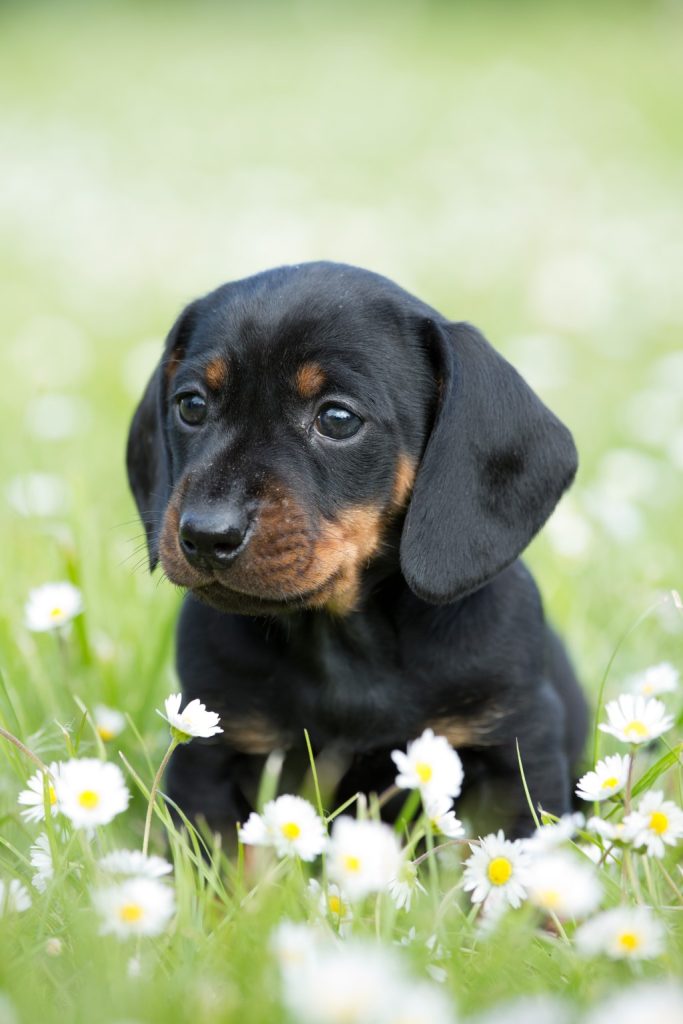
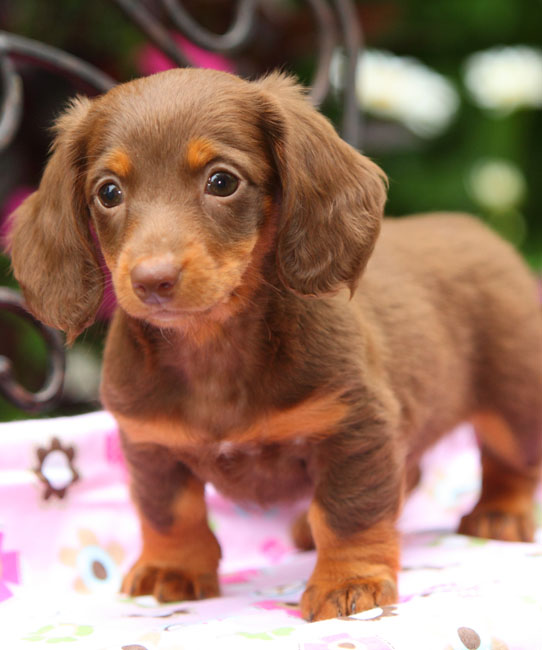
Dachshund puppies display an impressive array of colors and patterns. The most common solid colors include red and cream, while two-color combinations feature black and tan, chocolate and tan, or blue and tan. Dachshund puppies can also come in dapple (a mottled pattern), brindle (tiger-striped), sable, and piebald (large patches of white with another color).
While color doesn't affect the temperament or health of dachshund puppies, certain patterns like double dapple should be avoided as they can be associated with health problems including deafness and vision issues. Reputable breeders prioritize health over rare color patterns when breeding dachshund puppies.

Understanding Dachshund Puppy Temperament
Loyalty and Attachment to Owners
Dachshund puppies are renowned for their deep loyalty and strong attachment to their families. These little dogs often form particularly close bonds with one or two family members, though they typically show affection to everyone in the household. This loyalty stems from their history as hunting companions who worked closely with their handlers.
This strong attachment means dachshund puppies don't like being left alone for extended periods. They can develop separation anxiety if not properly trained and gradually acclimated to alone time. Many dachshund puppies become "velcro dogs," following their favorite person from room to room and wanting to be involved in all family activities. This devotion is one of the breed's most endearing qualities, but it requires owners who can provide adequate companionship.
Stubbornness and Intelligence
Dachshund puppies are highly intelligent, which can be both a blessing and a challenge. They were bred to think independently while hunting, making decisions without human guidance when pursuing prey underground. This independence translates into what many owners describe as stubbornness. Training dachshund puppies requires patience, consistency, and positive reinforcement methods.
These clever puppies quickly learn what behaviors get them what they want, so it's important to establish clear rules and boundaries early. Dachshund puppies respond best to training that feels like a game rather than a chore. Their intelligence means they can excel at various activities including obedience, agility, and even scent work, but they need motivation and engagement to perform their best.
Interaction with Children and Other Pets
When properly socialized, dachshund puppies can be wonderful family dogs. However, they're generally better suited to families with older children who understand how to handle small dogs gently. Dachshund puppies have long backs that can be injured by rough play or improper handling, so young children need supervision and instruction on safe interaction.
Regarding other pets, dachshund puppies can coexist peacefully with other dogs and even cats, especially if raised together. However, their strong prey drive means they may chase smaller pets like hamsters, rabbits, or birds. Early socialization is crucial for dachshund puppies to learn appropriate behavior around other animals. Some dachshunds can be territorial or jealous, so introductions to new pets should be gradual and supervised.
Common Health Considerations in Dachshund Puppies
IVDD (Intervertebral Disc Disease)
The most significant health concern for dachshund puppies is Intervertebral Disc Disease (IVDD), a condition affecting the spinal discs. Due to their elongated spines and short legs, dachshund puppies are particularly susceptible to back problems. IVDD can range from mild pain to complete paralysis, making prevention and early detection crucial.
Protecting your dachshund puppy's back should be a priority from day one. Avoid allowing them to jump on and off furniture, use ramps or steps instead, and always support their back and hindquarters when picking them up. Maintaining a healthy weight is also essential, as excess weight puts additional strain on the spine. Regular, moderate exercise helps build the muscles that support the back, but high-impact activities should be avoided.
Dental and Weight Management
Dachshund puppies are prone to dental problems, including tooth decay and gum disease. Establishing a dental care routine early is important for long-term oral health. Regular tooth brushing, dental chews, and professional cleanings can help prevent painful dental issues that are common in the breed.
Weight management is critical for dachshund puppies, not just for back health but for overall wellness. These food-motivated dogs can easily become overweight if overfed or given too many treats. Obesity exacerbates back problems and can lead to other health issues including diabetes and heart disease. Feeding appropriate portions of high-quality food and providing regular exercise helps keep dachshund puppies at a healthy weight throughout their lives.
Early Screening and Prevention
When acquiring dachshund puppies, it's important to work with breeders who perform health screenings on parent dogs. Responsible breeders test for genetic conditions and only breed dogs with good health clearances. Regular veterinary check-ups for your dachshund puppy help catch potential problems early when they're most treatable.
Beyond IVDD and dental issues, dachshund puppies can be prone to eye problems, epilepsy, and certain skin conditions. Being aware of these potential health concerns allows you to monitor your puppy and seek veterinary care promptly if symptoms appear. With proper care and attention, most dachshund puppies live long, healthy lives of 12 to 16 years or more.
What It's Like to Raise a Dachshund Puppy
Housebreaking and Crate Training Challenges
One of the most commonly reported challenges with dachshund puppies is housebreaking. These intelligent but stubborn dogs can be notoriously difficult to potty train. Their small bladders mean they need frequent bathroom breaks, and their independent nature means they may not always signal when they need to go outside.
Consistency is key when housebreaking dachshund puppies. Establish a regular schedule for meals and bathroom breaks, use positive reinforcement when they eliminate in the appropriate place, and be patient with accidents. Crate training can be helpful, as dachshund puppies naturally avoid soiling their sleeping area. However, the crate should never be used as punishment, and puppies shouldn't be left crated for extended periods beyond their ability to hold their bladder.
Socialization and Behavioral Tips
Early socialization is crucial for dachshund puppies to develop into well-adjusted adults. Expose your puppy to various people, places, sounds, and experiences during their critical socialization period (roughly 3 to 14 weeks of age). Well-socialized dachshund puppies are more confident, less fearful, and better behaved than those with limited early experiences.
Dachshund puppies can develop behavioral issues like excessive barking, digging, or aggression if not properly trained and socialized. Their hunting heritage means they have strong instincts to bark at perceived threats and dig in pursuit of interesting scents. Providing appropriate outlets for these natural behaviors—such as puzzle toys, supervised digging areas, and training that channels their energy—helps prevent problem behaviors from developing.
Exercise Needs (Despite Small Size)
Don't let their short legs fool you—dachshund puppies have substantial exercise needs. These energetic little dogs require daily walks and playtime to stay physically and mentally healthy. Most adult dachshunds need at least 30 to 60 minutes of exercise per day, split into multiple sessions. Puppies need shorter, more frequent activity periods appropriate to their age and development.
Mental stimulation is equally important for dachshund puppies. These intelligent dogs need activities that challenge their minds, such as training sessions, puzzle toys, and scent games. A bored dachshund puppy is likely to develop destructive behaviors or excessive barking. Providing both physical exercise and mental enrichment helps ensure your dachshund puppy grows into a happy, well-behaved adult dog.
Are Dachshund Puppies Right for You?
Lifestyle Match and Time Commitment
Dachshund puppies thrive with owners who can provide consistent companionship, training, and care. These dogs don't do well when left alone for long hours regularly. If you work full-time away from home, consider whether you can arrange for midday visits, doggy daycare, or other solutions to ensure your dachshund puppy isn't isolated for extended periods.
The time commitment extends beyond companionship. Dachshund puppies require daily exercise, regular training sessions, grooming (depending on coat type), and ongoing health care. They also need patient, consistent owners who can handle their stubborn streak without becoming frustrated. If you're looking for an independent dog who's content to entertain themselves, a dachshund puppy may not be the best match.
Apartment vs House Living
Dachshund puppies can adapt well to apartment living, particularly miniature varieties. Their small size means they don't need a large yard, and they can get adequate exercise through walks and indoor play. However, their tendency to bark can be problematic in apartments with thin walls or noise restrictions. Training to minimize excessive barking is essential for apartment dwellers.
If you have a house with a yard, ensure it's securely fenced. Dachshund puppies are notorious diggers and escape artists who will pursue interesting scents or small animals. A fenced yard provides a safe space for exercise and play, but supervision is still important. Whether in an apartment or house, the most important factor is your ability to meet your dachshund puppy's exercise, training, and companionship needs.
First-Time Dog Owner Suitability
Dachshund puppies can be suitable for first-time dog owners, but they're not the easiest breed for beginners. Their stubbornness, housebreaking challenges, and specific health concerns require dedicated, patient owners willing to learn and adapt. First-time owners considering dachshund puppies should educate themselves thoroughly about the breed and be prepared to invest time in training and socialization.
Success with dachshund puppies as a first-time owner depends on your commitment to positive training methods, consistency, and meeting the breed's needs. Working with a reputable breeder who provides ongoing support, enrolling in puppy training classes, and connecting with other dachshund owners can all help first-timers navigate the challenges and enjoy the many rewards of dachshund ownership.
Fun Facts About Dachshund Puppies
Celebrities Who Own Them
Dachshund puppies have long been favorites among celebrities and notable figures. Queen Victoria was an early admirer of the breed during the 19th century. Artist Pablo Picasso owned a dachshund named Lump who appeared in many of his works and was a constant companion for 15 years.
More recently, celebrities like Adele, Jack Black, and Clint Eastwood have been proud dachshund owners. The breed's appeal crosses generations and cultures, with dachshund puppies continuing to charm people from all walks of life. Their photogenic appearance and entertaining personalities make them natural stars on social media, where countless dachshund accounts have amassed large followings.
Dachshunds in Pop Culture
Dachshund puppies and adults have made numerous appearances in popular culture. Perhaps most famously, the first Olympic mascot was Waldi, a dachshund created for the 1972 Munich Olympics. The breed has been featured in countless movies, television shows, and advertisements, often playing comedic roles that highlight their distinctive appearance and spirited personalities.
In literature, dachshunds have appeared in works by authors including E.B. White and P.G. Wodehouse. The breed's unique silhouette has inspired countless toys, decorations, and artistic representations. From Slinky Dog in Toy Story to various cartoon characters, dachshund puppies have left an indelible mark on popular culture that continues to grow.
Fun Nicknames (e.g., Sausage Dog, Wiener Dog)
Dachshund puppies are known by many affectionate nicknames that reference their distinctive shape. They're commonly called "wiener dogs" or "sausage dogs" due to their resemblance to hot dogs or sausages. They're also sometimes called "Dackel" or "Teckel," informal variations of their official name.
Other playful nicknames include "hot dog," "doxie," and "weenie dog." These endearing terms reflect the breed's beloved status and the humor people find in their unique proportions. Despite the silly nicknames, dachshund puppies take themselves quite seriously—they're brave, dignified dogs who don't realize they're small or unusually shaped. This combination of confidence and comical appearance is part of what makes them so endearing to their owners.
Frequently Asked Questions
Are Dachshunds easy to train?
Dachshund puppies are intelligent but can be stubborn, which makes training a bit challenging. They respond best to positive reinforcement methods and consistency. Early socialization and training are essential for developing good behavior patterns.
Do Dachshund puppies bark a lot?
Yes, dachshund puppies can be quite vocal. They were originally bred as hunting dogs and have a natural tendency to bark to alert their owners. Proper training and socialization can help manage excessive barking behavior.
How long do Dachshunds live?
Dachshunds typically live between 12 to 16 years, with some living even longer with proper care. Their lifespan can be influenced by factors such as diet, exercise, genetics, and overall health management.
Conclusion
Dachshund puppies are remarkable companions who bring joy, laughter, and loyalty to their families. Their unique appearance, spirited personalities, and devoted nature make them one of the most beloved dog breeds worldwide. However, they're not the right choice for everyone. These intelligent, stubborn little dogs require patient training, consistent care, and owners who understand their specific needs.
Before bringing a dachshund puppy into your home, carefully consider whether you can provide the time, attention, and care they need to thrive. Think about their exercise requirements, potential health concerns (especially back problems), training challenges, and need for companionship. Research reputable breeders who prioritize health and temperament, or consider adopting from a dachshund rescue organization.
If you're prepared for the commitment and challenges, dachshund puppies can be incredibly rewarding companions. Their loyalty, entertaining antics, and affectionate nature create bonds that last a lifetime. Whether you choose a miniature or standard, smooth, longhaired, or wirehaired variety, your dachshund puppy will bring a unique combination of courage, comedy, and companionship to your life.
Take your time to learn about the breed, meet dachshund puppies in person if possible, and honestly assess whether your lifestyle and expectations align with what these special dogs need and offer. With the right match between owner and puppy, dachshunds make wonderful family members who enrich lives with their distinctive personalities and unwavering devotion.
Interested in learning more about dachshund puppies?
Learn more about available Dachshund puppies